What is the Brain?
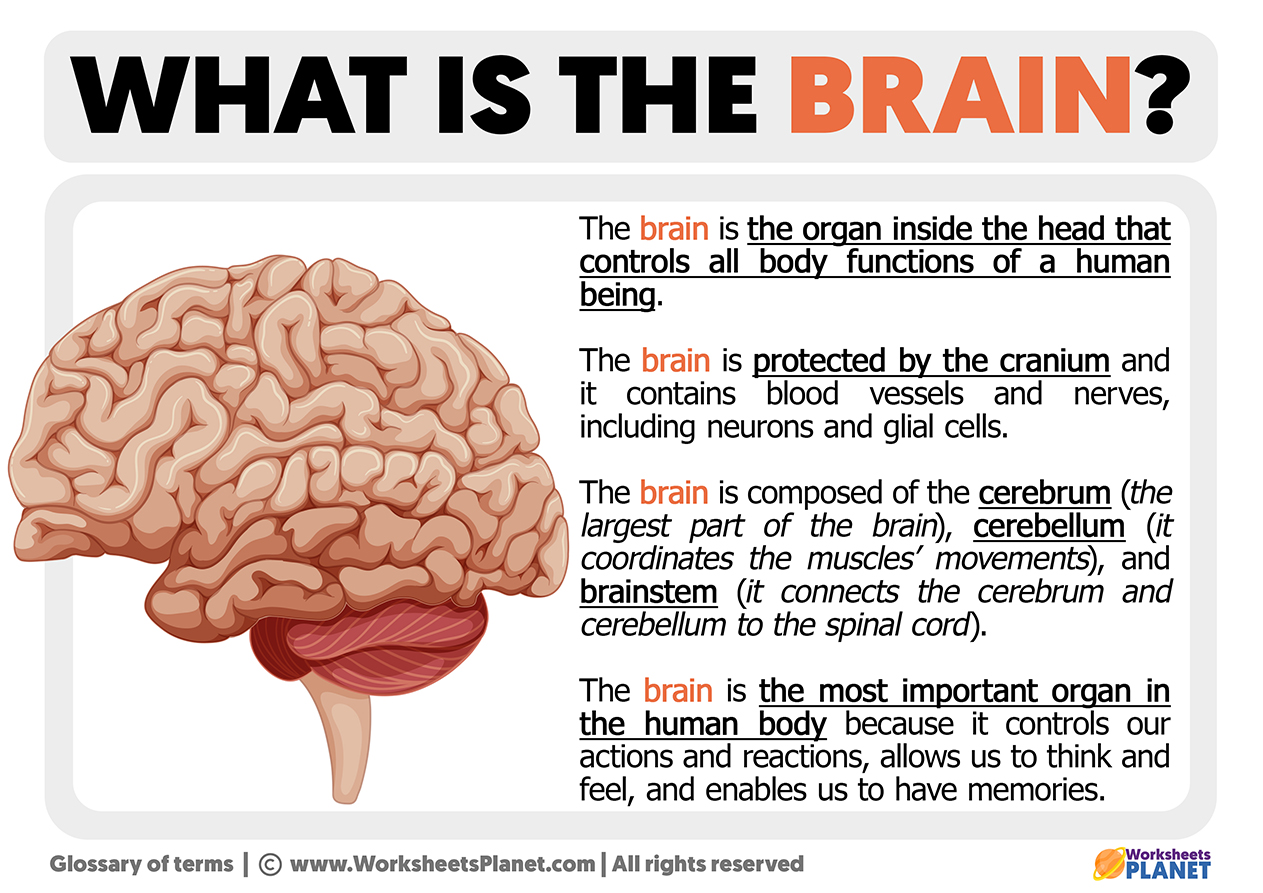
The brain is a vital organ of the body, which controls cognitive activities and reactions of the organism, such as responses to sensory stimuli.

The brain is a vital organ of the body, which controls cognitive activities and reactions of the organism, such as responses to sensory stimuli.
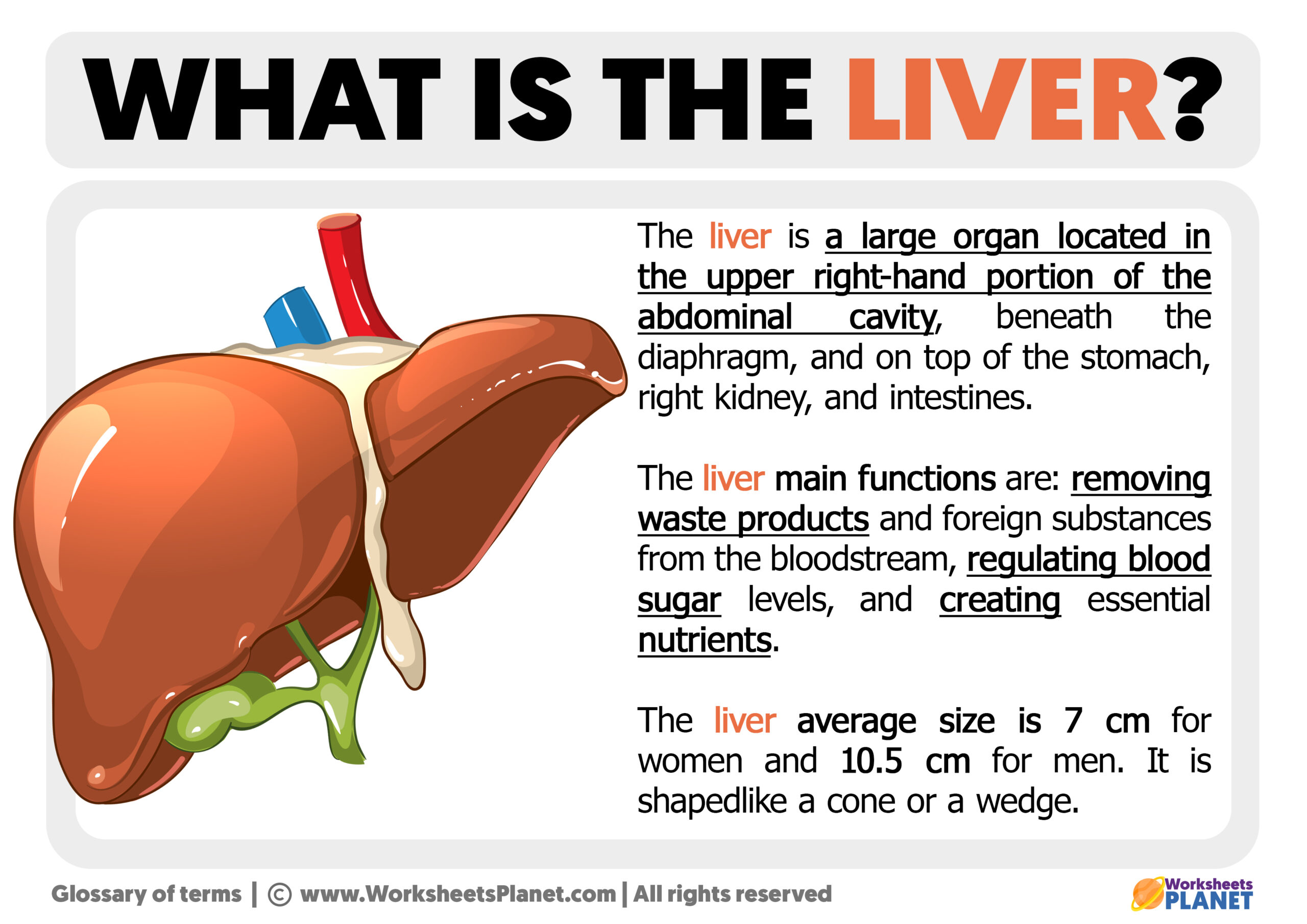
The liver is an important human organ located in the upper right part of the abdominal cavity, below the diaphragm and above the stomach,
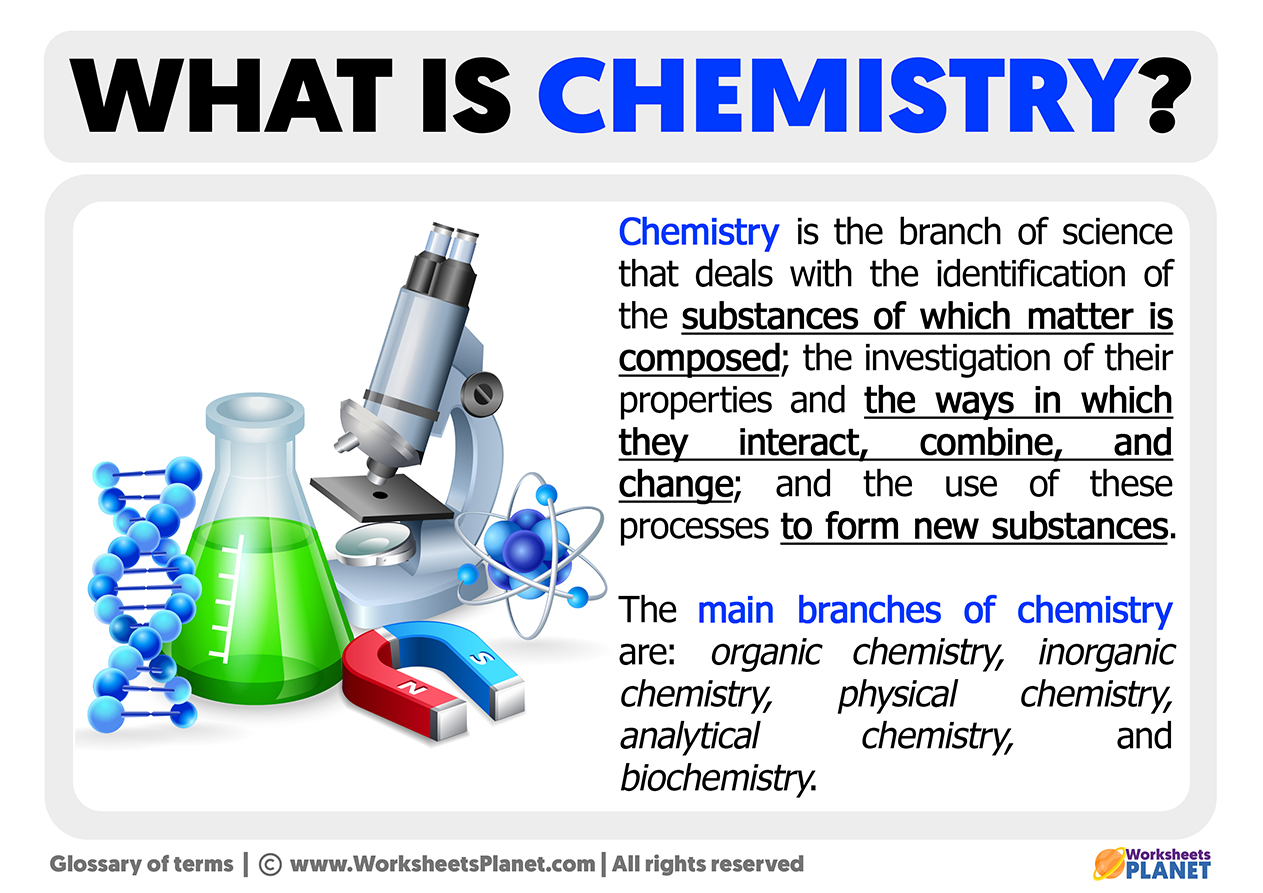
Chemistry is a branch of science that aims to study matter's structure, composition, and properties in general.
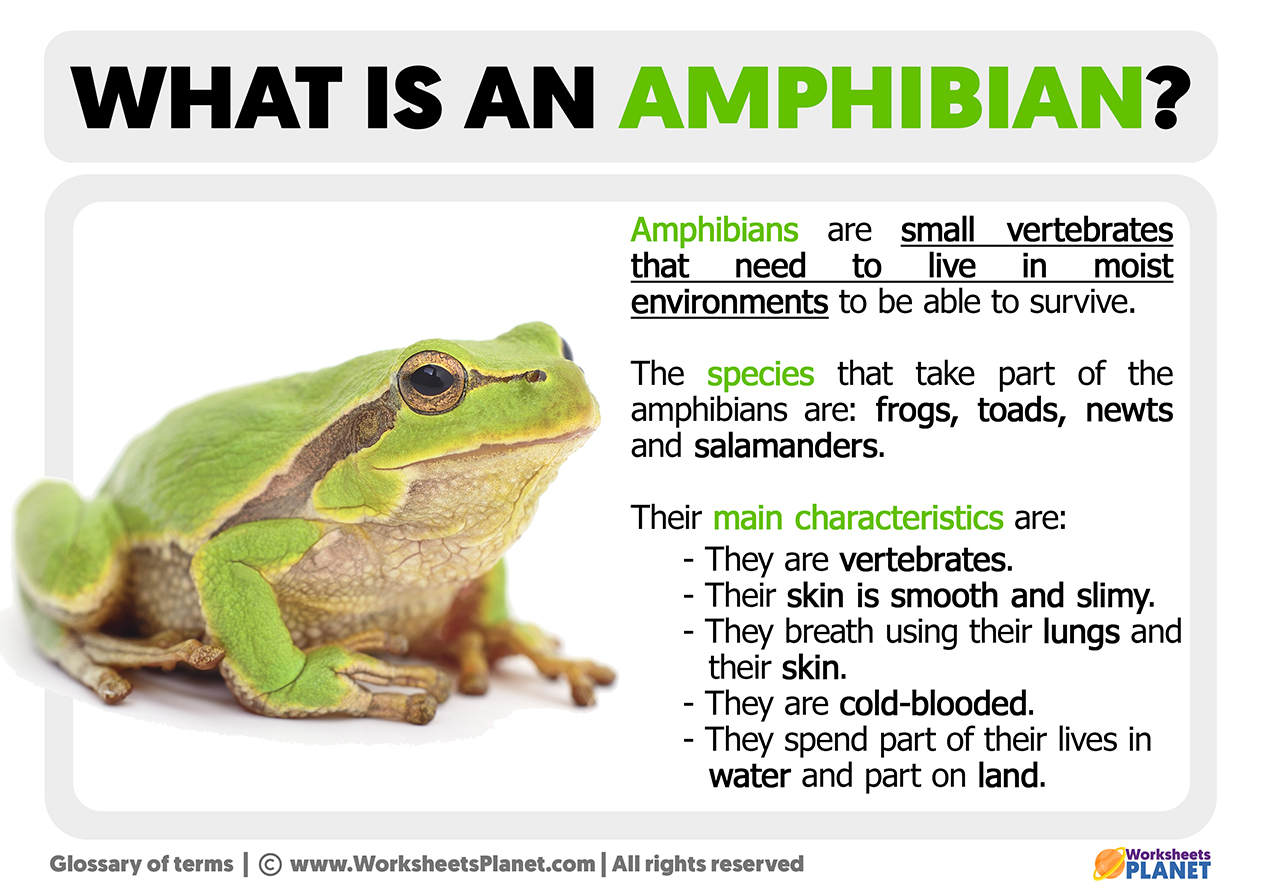
Amphibians differ from the rest of the vertebrates because they experience a transformation during their growth.
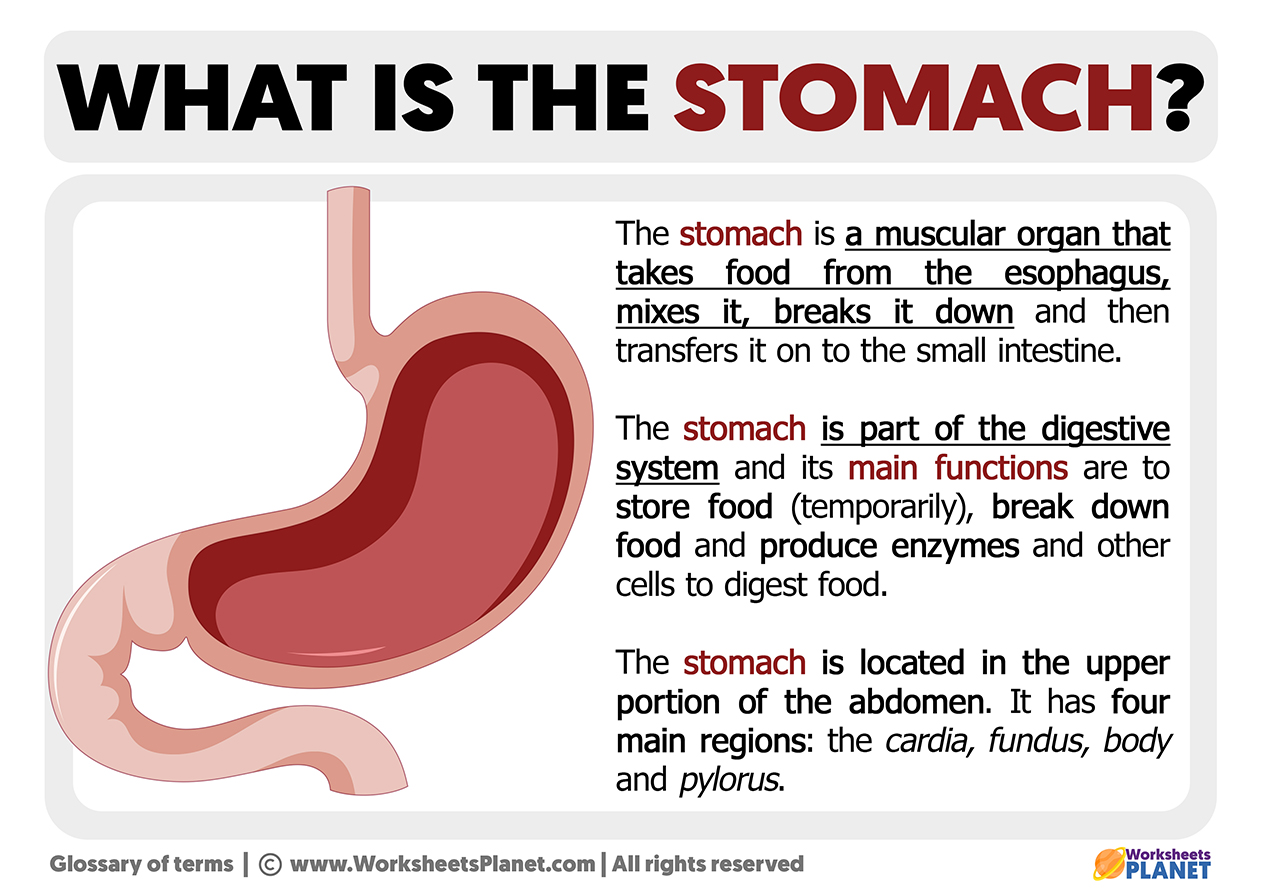
The stomach is an organ that belongs to the digestive system. The stomach is a muscular organ that takes food from the esophagus.
Humanism was an intellectual and cultural history movement that emerged during the fourteenth century.
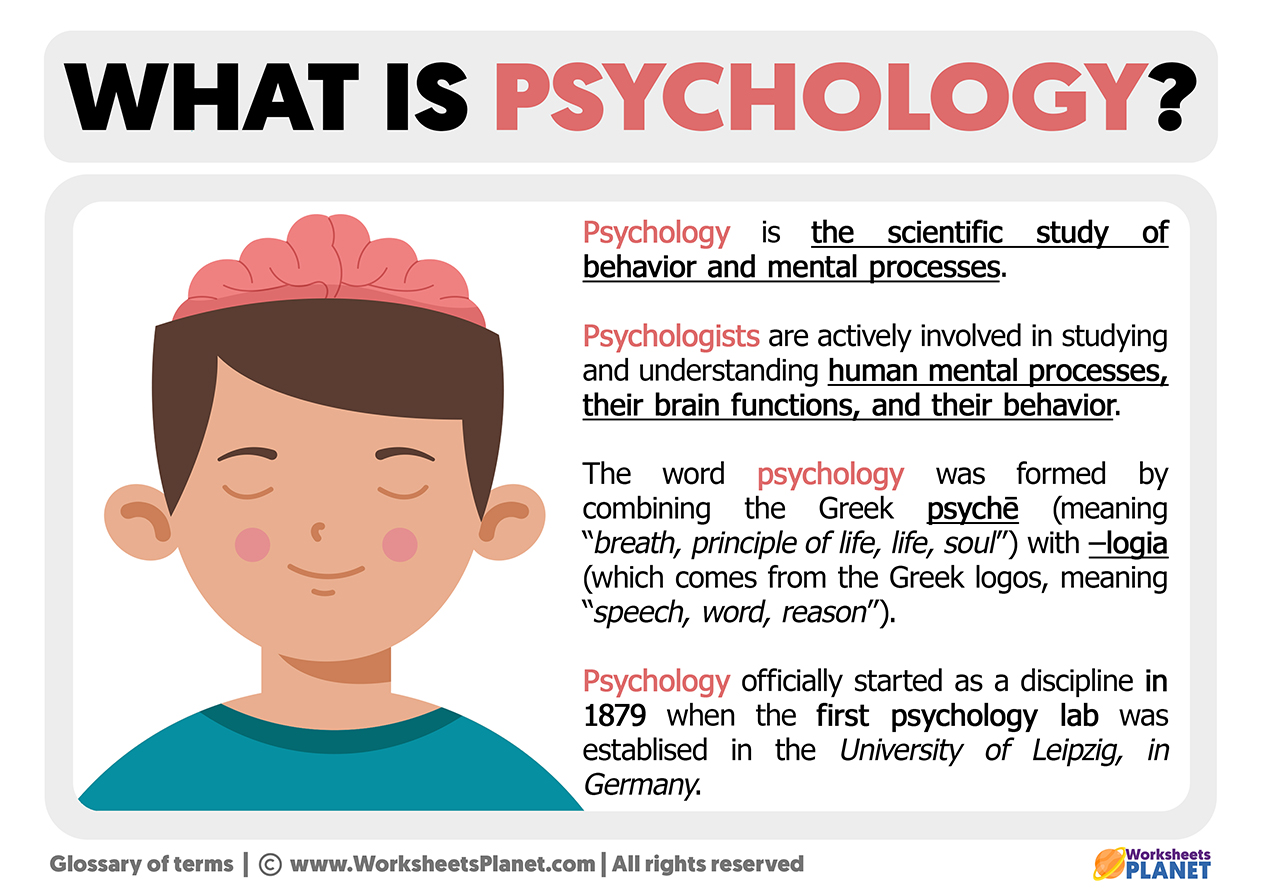
Psychology is the scientific study, analysis, and investigation of behavior and mental processes.
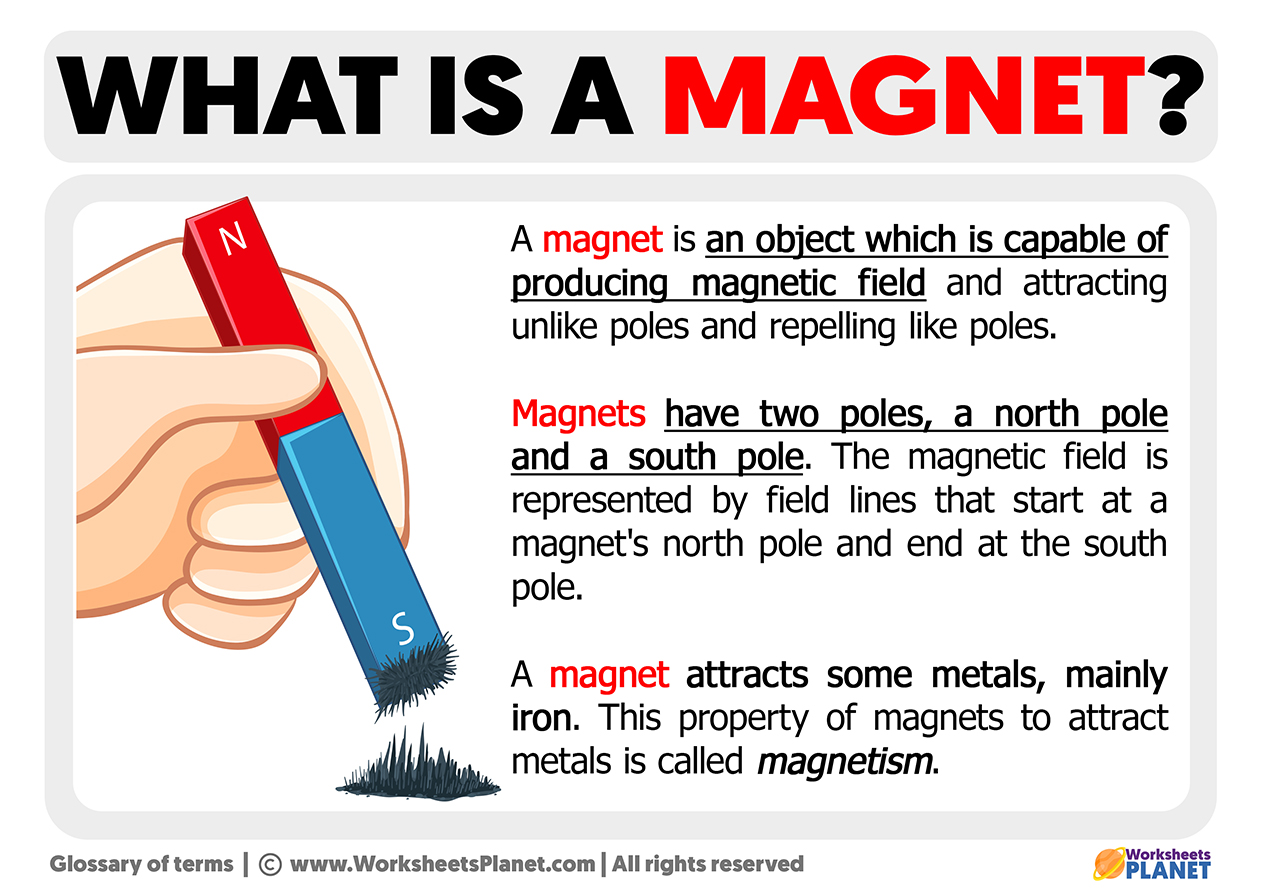
A magnet is an object capable of producing a magnetic field and attracting unlike poles and repelling like poles.
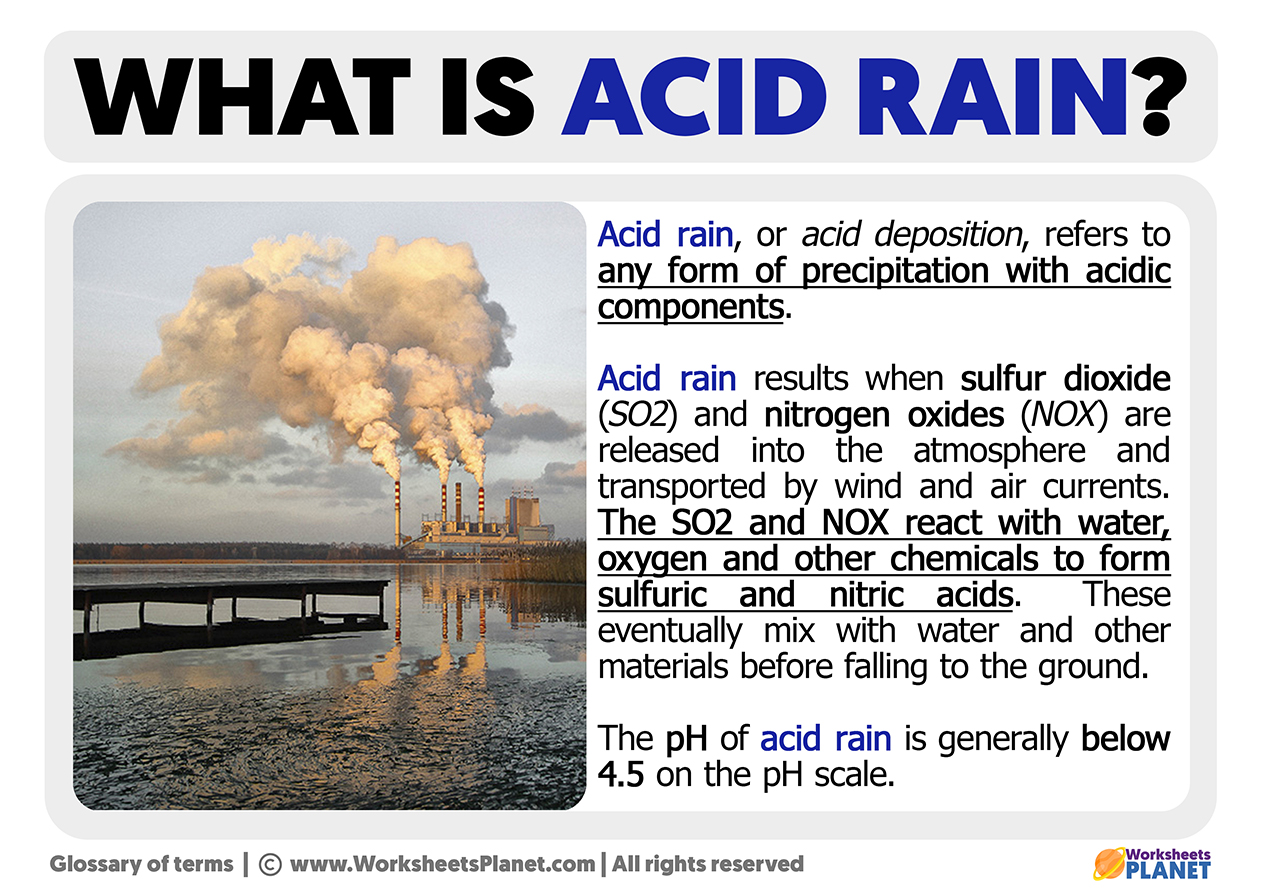
Acid rain is a harmful phenomenon that is formed when the humidity of the atmosphere comes into contact with harmful chemical elements.
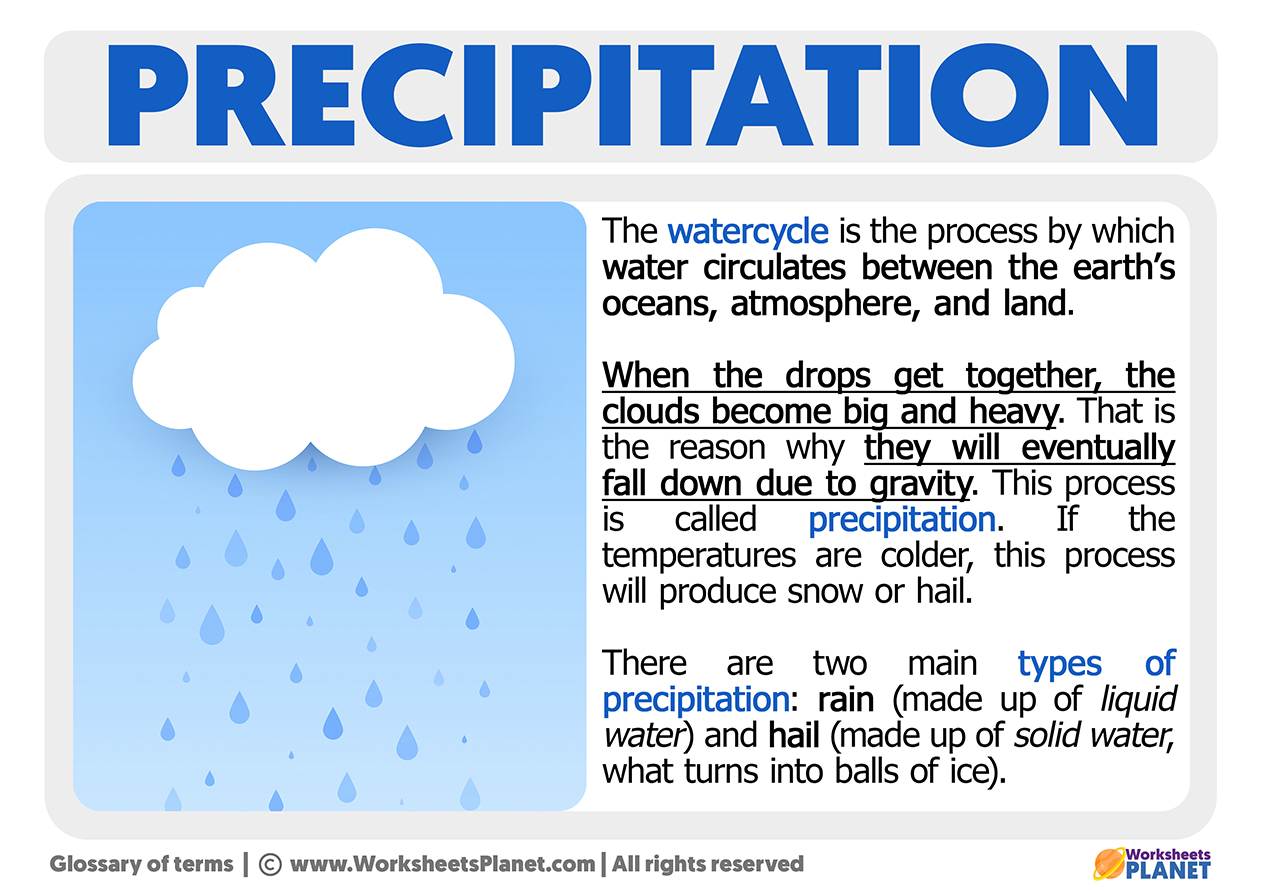
The watercycle is the process by which water circulates between [...]